EQUIPMENT
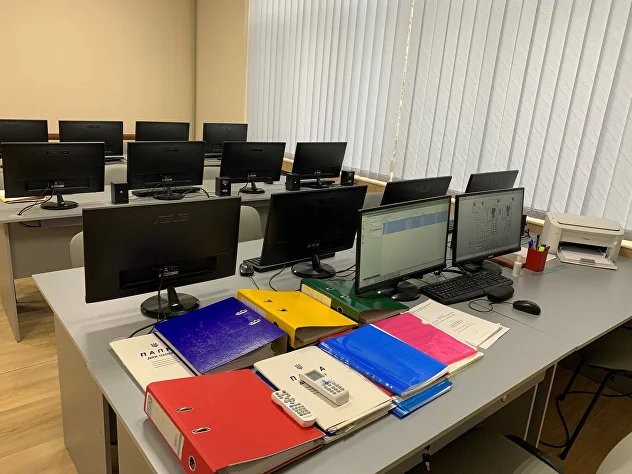
We provide high-quality training for seafarers, raising the status and professionalism of future specialists.
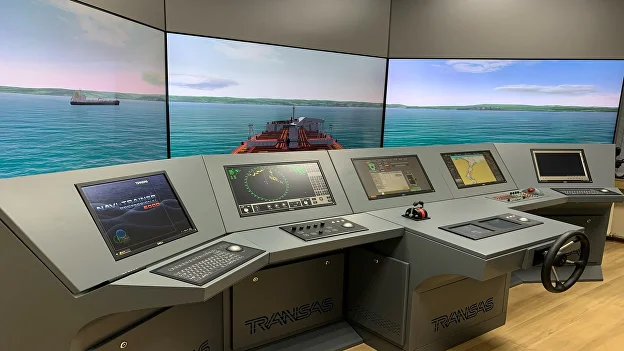
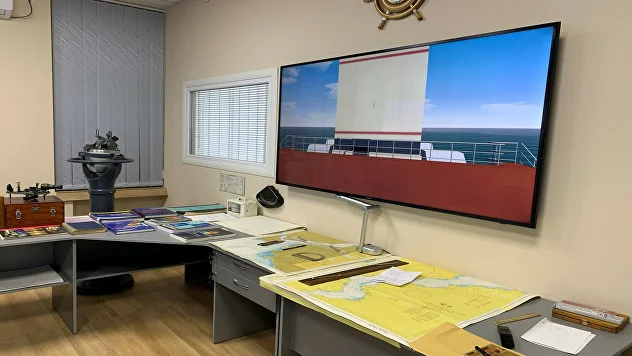
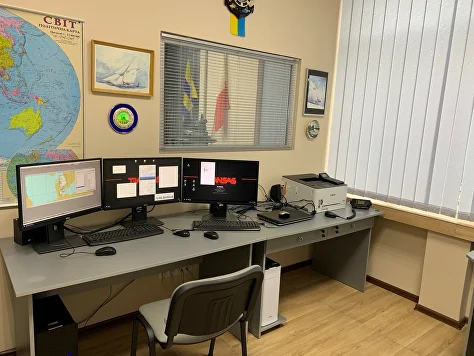
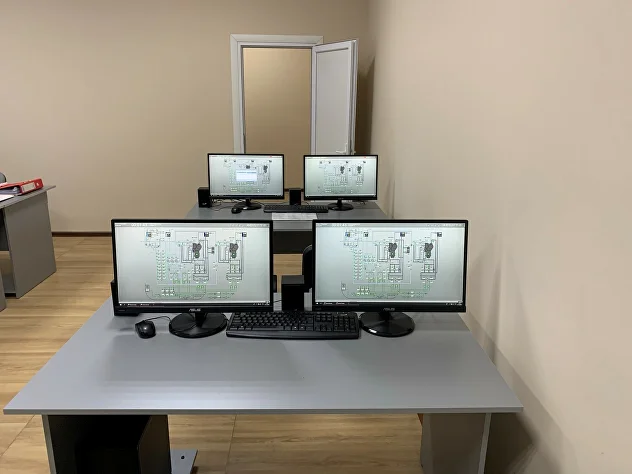
BRIDGE Simulator Navi-Trainer Professional 5000
The NAVI-Trainer Professional 5000 navigation simulator is designed to train and certify watch officers, chief mates, captains, and pilots of commercial and fishing vessels of 500 GT and above. Version 5000 reflects user experience and the latest company technologies. Version 5.30 complies with IMO model courses: 1.07, 1.08, 1.22, 1.27, 1.39, 1.40, 7.01, 7.03.
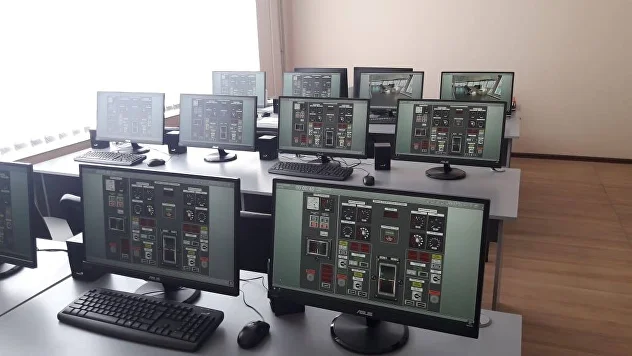
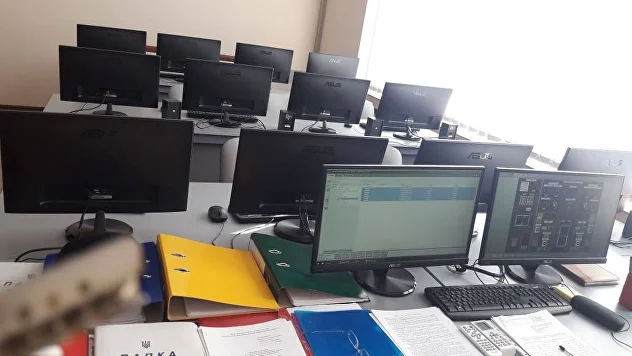
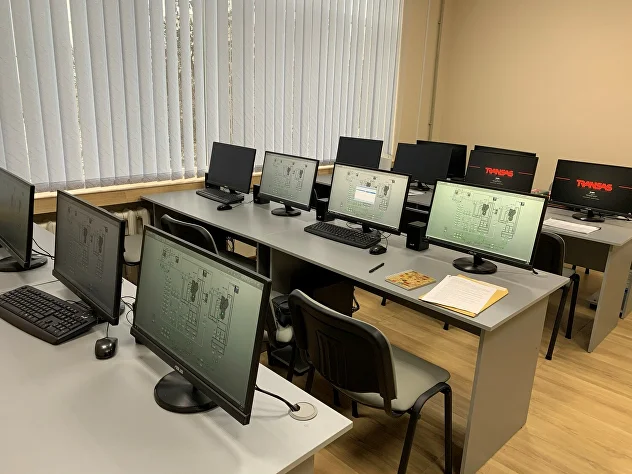
TRANSAS ERS 5000 ENGINE ROOM SIMULATOR
Designed for training and competency assessment of engine room personnel, including watch engineers, second and chief engineers, and ratings who are part of the engine watch. It meets the requirements of IMO model courses: 1.39, 1.40, 2.07, 7.02, 7.04.
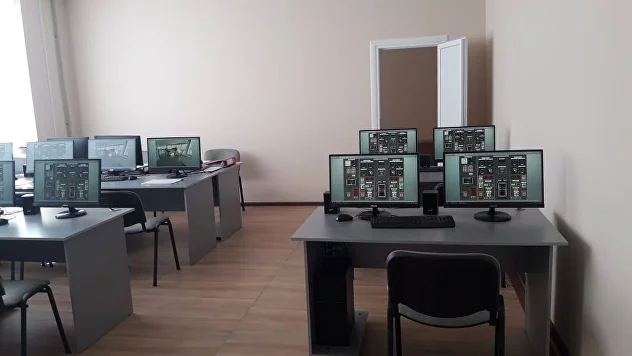
GMDSS Simulator
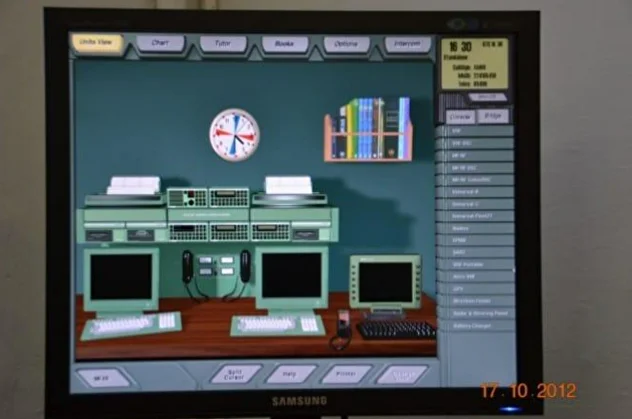
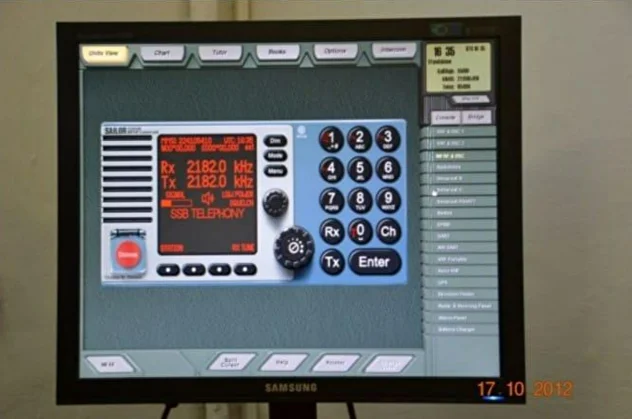
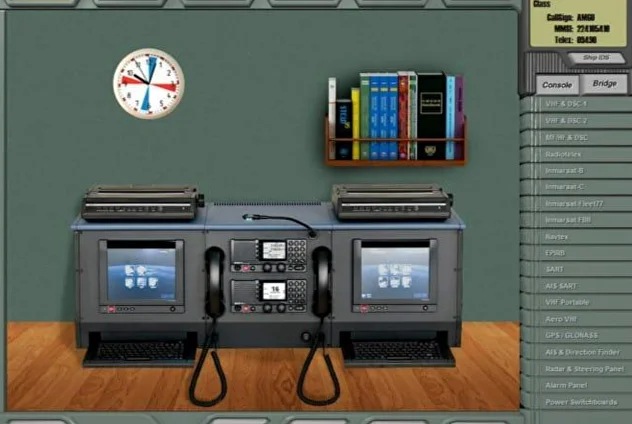
TRANSAS GMDSS Simulator TGS 5000 accurately simulates real communication between ships and shore, using highly realistic modeled terrestrial and satellite communication systems. It allows all practical exercises proposed in IMO model courses 1.25 and 1.26.
TRANSAS LIQUID CARGO HANDLING SIMULATOR (LCHS 2000)
Designed for training and certification of crews of liquid cargo tankers, gas carriers, terminals, and other personnel responsible for safe cargo handling and auxiliary equipment operation. The liquid cargo handling simulator provides an accurate and detailed copy of ship/terminal systems and compartments. TRANSAS cargo and ballast operation simulators replicate the cargo control room, allowing comprehensive study of tanker and terminal schematics, including all mechanisms and systems.
Medical classroom
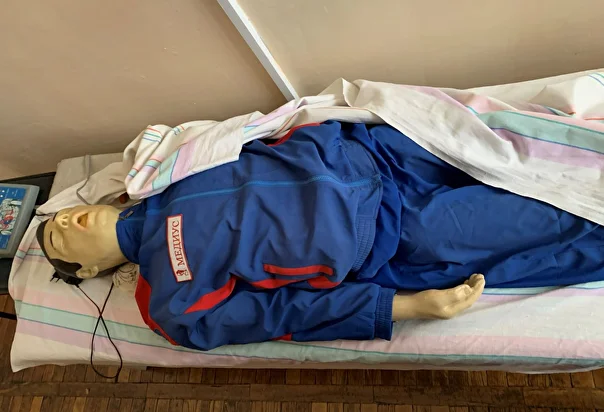
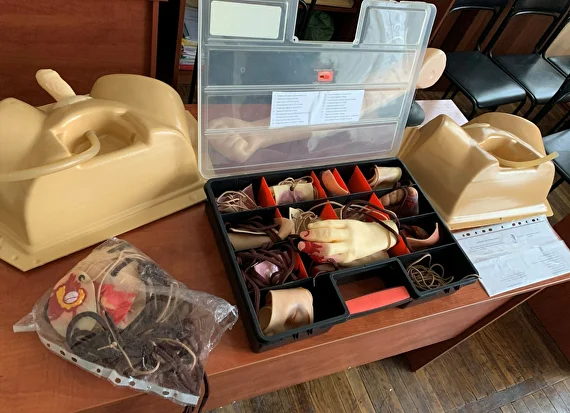
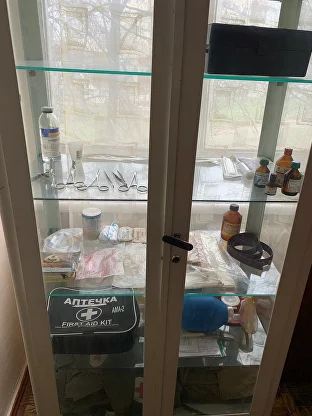
The medical training classroom for officers and ratings is equipped with training medical devices, mannequins, simulators, first-aid kits, diagnostic equipment, and care tools for sick seafarers. It meets the mandatory requirements specified in STCW Convention Rules VI/1, VI/4-1 and Sections A-VI/1, A-VI/4-1, Tables A-VI/1-3, A-VI/4-1, A-VI/4-2 of the STCW Code. A qualified medical specialist is involved in training students.
The medical classroom teaches skills and techniques for artificial respiration and indirect heart massage, intravenous injections, CPR, and intramuscular injections, supported with tools following the International Medical Guide for Ships (Geneva, WHO): defibrillator, blood pressure monitor, human skeleton, visual aids, posters, a set of training videos, computer, and multimedia projector.
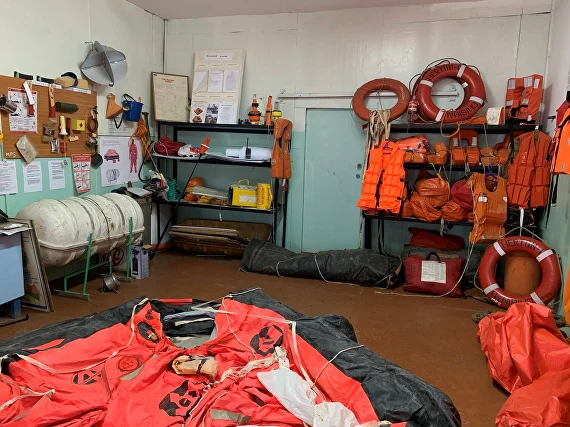
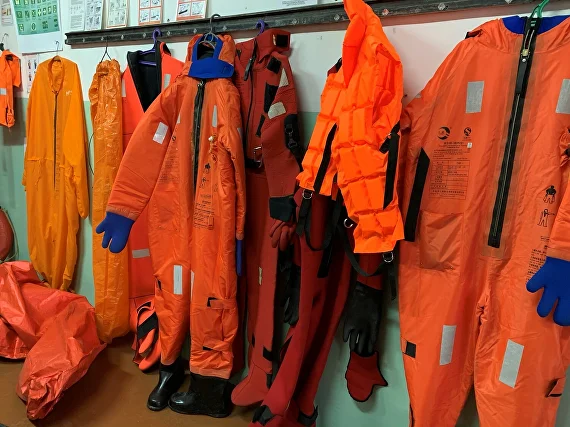
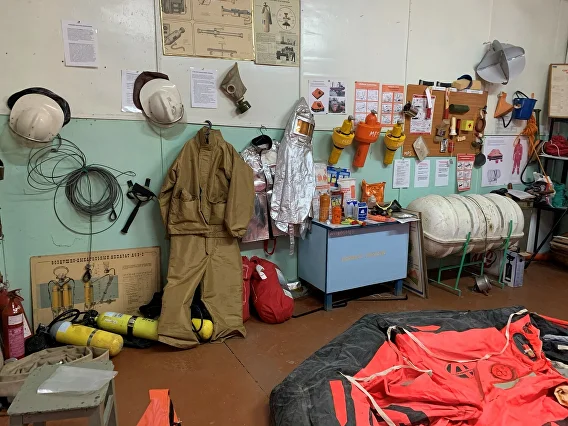
Safety training and briefings for all seafarers (Section A-VI/1, Tables A-VI/1-1, A-VI/1-2, A-VI/1-3, A-VI/1-4)